


The color of light has a major influence on how a space feels. Warm light makes a room cozy and relaxing, while cool light brings freshness and focus. We call this light color the color temperature, expressed in Kelvin (K). In this article, we explain what the different color temperatures mean and help you choose which one best suits your interior or track lighting application.
What is color temperature?
The color temperature of lighting determines how warm or cool the light appears.
It is expressed in Kelvin (K):
- A low value (e.g. 1800K or 2700K) produces warm, yellowish light.
- A high value (e.g. 5000K or 6500K) produces cool, bright white light.
The right color temperature has a major influence on the atmosphere in your home.
Warm light creates calm and coziness, while cool light promotes concentration and clarity.
Below, you can read what each color temperature means and where it is best used.
Every color temperature explained:

1800K – Extra-warm candlelight
1800 Kelvin produces a very warm, amber-colored glow that strongly resembles candlelight or the glow of a fireplace. It creates an exceptionally atmospheric and intimate look, perfect for the evening or for areas where you want to create a luxurious, warm ambiance.
Ideal for restaurants, living rooms, or bedrooms with a relaxing atmosphere.
Advice: Use 1800K to emphasize atmosphere and warmth, especially in combination with dimmable lighting.
View our dimmable 1800K GU10 light source here
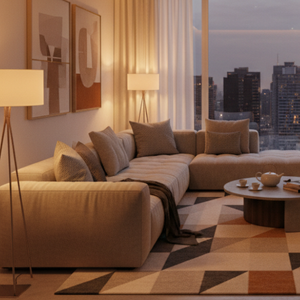
2700K – Warm and atmospheric
2700 Kelvin produces a soft, warm glow reminiscent of classic incandescent light. This light feels homely and is ideal for living rooms, bedrooms, or hospitality spaces where you want to create a cozy, relaxing atmosphere.
Advice: Use 2700K if you want to emphasize warmth and atmosphere in your interior.
View our dimmable 1800K–2700K GU10 light source or our dimmable 2700K GU10 light source here

3000K – Warm white with a modern look
3000 Kelvin is slightly fresher than 2700K, while retaining a warm tone. It creates a modern and inviting look that works well in kitchens, dining rooms, or stores. Ideal if you want slightly brighter light without sacrificing coziness.
Advice: Perfect for spaces where atmosphere and functionality come together.
View our dimmable 3000K GU10 light source here

4000K – Fresh white and functional
4000 Kelvin produces a fresh, bright white light without a blue tint. It creates a tidy, professional look that works well in workspaces, hallways, or kitchens. Functional light that provides clarity without feeling harsh or cold.
Advice: Suitable for spaces where good visibility is important, but you do not want cool daylight.
View our dimmable 4000K GU10 light source here
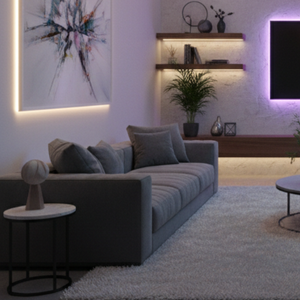
Smart adjustable lighting – RGBW
Today, there are smart RGBW light sources that allow you not only to set the color temperature (from 1800K to 6500K), but also to choose from a wide range of colors. This lets you determine the atmosphere yourself: warm and atmospheric in the evening, bright and fresh during the day, or with a subtle touch of color.
Advice: Ideal if you want lighting that adapts to the moment, mood, or interior.
View our smart GU10 light source here
Conclusion
The right color temperature determines both the atmosphere and functionality of your lighting. From the warm, calming light of 1800K to the bright daylight of 6500K, each light color has its own application.
Do you want maximum flexibility? Then choose a smart RGBW light source, which lets you easily switch between warm white, cool white, and colored light. This way, you can always create the right lighting for every moment and every space.


